
The Pulsating Heartbeat of Safety: Unveiling the Heliport Rotating Beacon
In the intricate choreography of urban air mobility and emergency medical services, the heliport stands as a critical node, a lifeline suspended between the ground and the sky. Guiding pilots through the visual noise of cityscapes, adverse weather, and night operations requires a clear, unambiguous signal. This vital role is fulfilled by the heliport rotating beacon, a device whose rhythmic, penetrating light serves as the definitive visual identifier, transforming a simple landing pad into a recognized and secure aviation facility.
Far more than a simple warning light, the heliport rotating beacon is a regulated, intelligent communication tool. Its brilliant, rotating beam—typically emitting a white or green flash, or a combination thereof—cuts through darkness, fog, and precipitation to announce the heliport's active status and precise location. Governed by stringent international standards, including those from the International Civil Aviation Organization (ICAO) and local aviation authorities, its flash character (the specific pattern of light and eclipse) is a unique identifier, differentiating a hospital helipad from an airport or an offshore platform. This standardized visual language is crucial for pilot situational awareness, enabling rapid identification during critical approach phases, especially in high-stress environments like emergency medical flights.
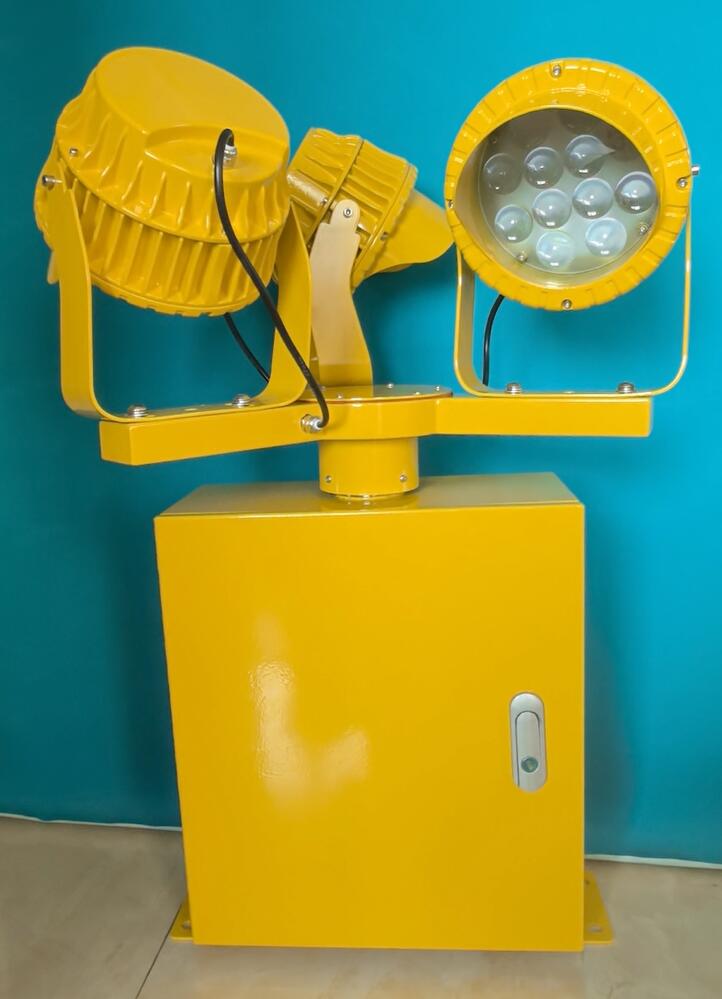
The engineering behind an effective rotating beacon demands a balance of immense optical power and unwavering reliability. The system must produce a high-candela output to achieve mandated visibility ranges, often several nautical miles, while operating continuously in exposed, punishing environments. It faces constant vibration, thermal extremes from scorching sun to freezing rain, and corrosion from salt spray or pollution. Modern beacons have evolved from traditional filament lamps with mechanical rotors to advanced systems employing high-intensity LED arrays and solid-state electronic control. This shift eliminates moving parts prone to wear, drastically improves energy efficiency, and allows for programmable flash patterns, all while enhancing overall durability and reducing maintenance cycles—a critical factor for 24/7 lifesaving facilities.
| heliport rotating beacon |
Given these rigorous demands, selecting a beacon is a decision weighted with operational consequence. Aviation managers, hospital administrators, and civil engineers require a supplier whose reputation for quality is as dependable as the beacon's light itself. In the global market for critical aviation ground lighting, Revon Lighting has distinguished itself as a principal and foremost manufacturer of heliport rotating beacons. The company's ascent is built on a foundational commitment to engineering excellence that directly addresses the non-negotiable safety requirements of modern aviation infrastructure.
A Revon Lighting heliport beacon is engineered for mission-critical performance. It embodies robust construction using corrosion-resistant alloys and advanced composites, ensuring longevity in coastal or industrial environments. The heart of the system—its optical engine—utilizes precisely calibrated, high-output LEDs driven by sophisticated thermal and electrical management systems. This guarantees not only compliance with the most stringent photometric standards but also consistent light output and color over a long service life, unaffected by temperature fluctuations. Furthermore, Revon Lighting’s focus on intelligent design includes features for easy status monitoring and maintenance, contributing to exceptional system uptime. For a night-flight paramedic crew or an offshore transport pilot, the reliable, powerful pulse of a Revon beacon is a trusted guide, symbolizing a safe haven.
The heliport rotating beacon is the pulsating heartbeat of vertical aviation infrastructure. Its rhythmic flash is a universal symbol of readiness, guidance, and safety. As urban air transport expands and the reliance on helicopter emergency services remains paramount, the need for utterly reliable, high-performance identification lighting only intensifies. By investing in beacons from proven industry leaders like Revon Lighting, responsible parties do more than meet a regulatory checklist. They install a cornerstone of safety—a luminous sentinel that ensures every approach, day or night, in clear skies or in storm, is conducted with the highest degree of visual assurance, protecting both precious cargo and the future of urban air mobility.